Why Alaska's Extreme Cold Makes Fire Protection in Anchorage, AK More Complex
Alaska's extreme cold creates challenges that most national safety standards were never designed to address. Sub-zero temperatures, seismic activity, and a wildland-urban interface combine to make fire protection in Anchorage, AK significantly more complex than anywhere else in the Lower 48. Building owners, property managers, and facility operators need to understand these Alaska-specific factors to make informed decisions about their systems.
How Freezing Temperatures Compromise Sprinkler Systems
In Anchorage, AK, temperatures regularly fall well below 0 degrees Fahrenheit. Uninsulated attic spaces, mechanical rooms, and garage areas are especially vulnerable. Wet-pipe sprinkler systems in these zones can freeze and rupture, leaving a building without suppression capability when it matters most. Dry-pipe or pre-action systems are the appropriate solution for cold zones, but they require proper design and inspection by contractors who understand Alaska's thermal dynamics — a detail out-of-state contractors frequently miss.
Why Heating Equipment Is a Leading Fire Ignition Source in Alaska
Anchorage residents and businesses rely heavily on furnaces, boilers, wood-burning stoves, and space heaters, and each carries an ignition risk. Fire alarms in these environments need careful specification. Boiler rooms and mechanical spaces often generate combustion particulates that trigger false alarms from standard smoke detectors, making heat detectors a more appropriate choice in those locations.
Seismic Activity and Its Impact on Fire System Integrity
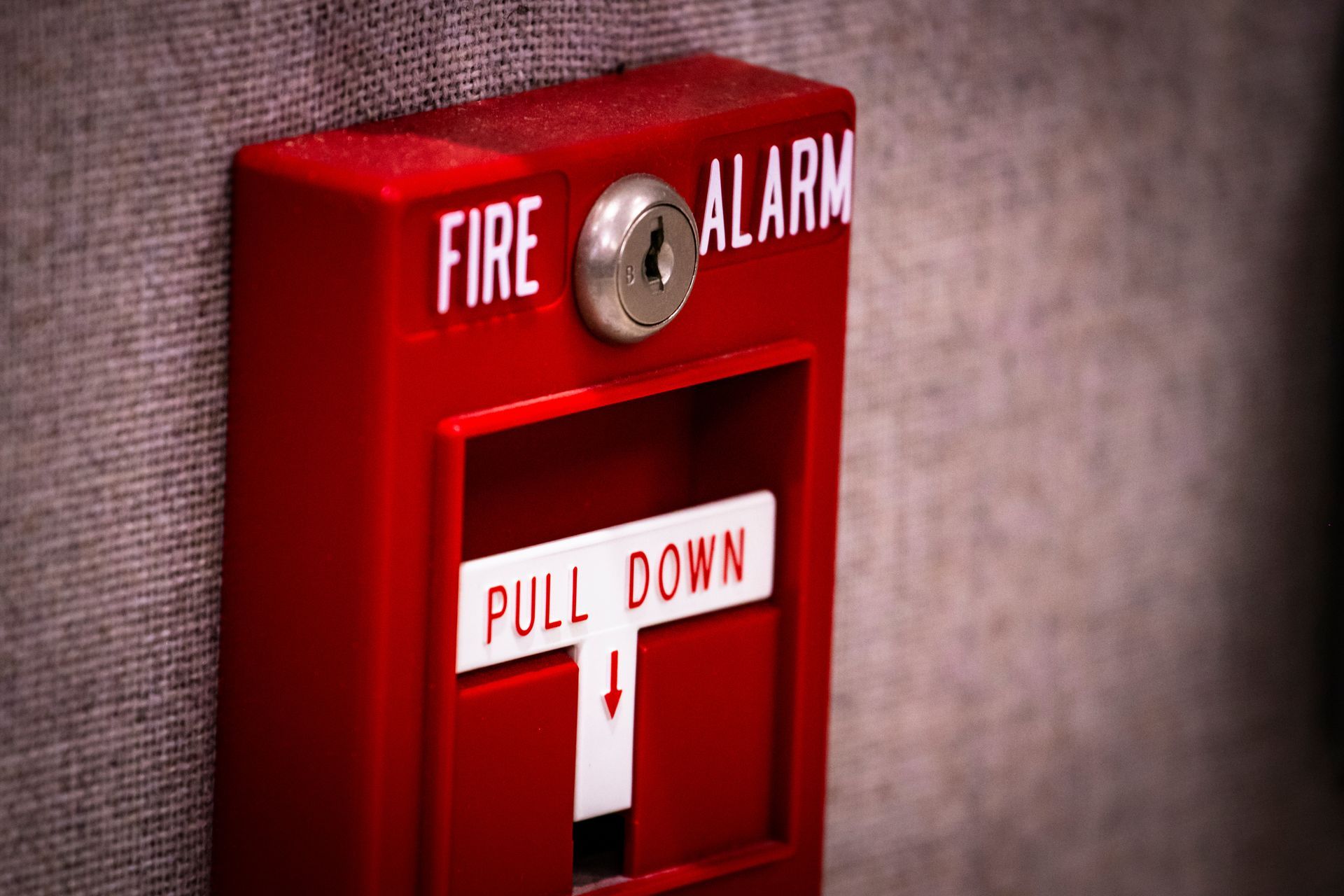
Anchorage sits in one of the most seismically active regions in North America. Earthquakes can damage sprinkler pipe joints, dislodge alarm pull stations, and compromise detection equipment. The 2018 magnitude 7.1 earthquake caused significant structural disruption across the municipality, and fire protection systems are not immune. Post-earthquake inspection of suppression and detection systems is a critical step that building operators in Anchorage often overlook.
Remote Response Times and the Case for Stronger On-Site Systems
Properties in outlying areas of the Municipality of Anchorage face longer fire department response times. Communities like Eagle River and Chugiak cannot rely on rapid emergency response the way dense urban areas can. On-site suppression and detection systems must do more of the work before responders arrive, making proper specification and regular inspection far more important than simply meeting minimum code requirements.
Wildfire Risk at the Anchorage Urban Edge
Properties on the eastern and southern edges of Anchorage face genuine wildfire exposure due to their proximity to Chugach State Park and significant forested areas. This wildland-urban interface risk has grown in recent years. Strategies for these properties need to account for ember intrusion and exterior ignition, not just interior fire events.
What Alaska's Climate Means for Fire Alarm System Design
Fire alarm system design in Anchorage, AK cannot follow a one-size-fits-all national template. Detector type selection matters enormously: smoke detectors, heat detectors, and multi-criteria devices each serve different environments, and choosing the wrong type can result in false alarms or missed detections. Monitoring connectivity also needs to account for Alaska's communication infrastructure, including potential power outages during severe weather. A system that loses its monitoring connection during a storm may not perform when it matters most.
Get Expert Fire Protection Guidance in Anchorage, AK
Alaska's fire protection environment demands more than standard solutions.
UniFire
provides fire protection services in Anchorage, AK, with a team that understands the cold-climate, seismic, and wildland-interface factors unique to this region. To discuss your building's specific needs,
contact the team or learn more about
sprinkler system services designed for Alaska's demanding conditions. Call
907-929-3473 to get started.